

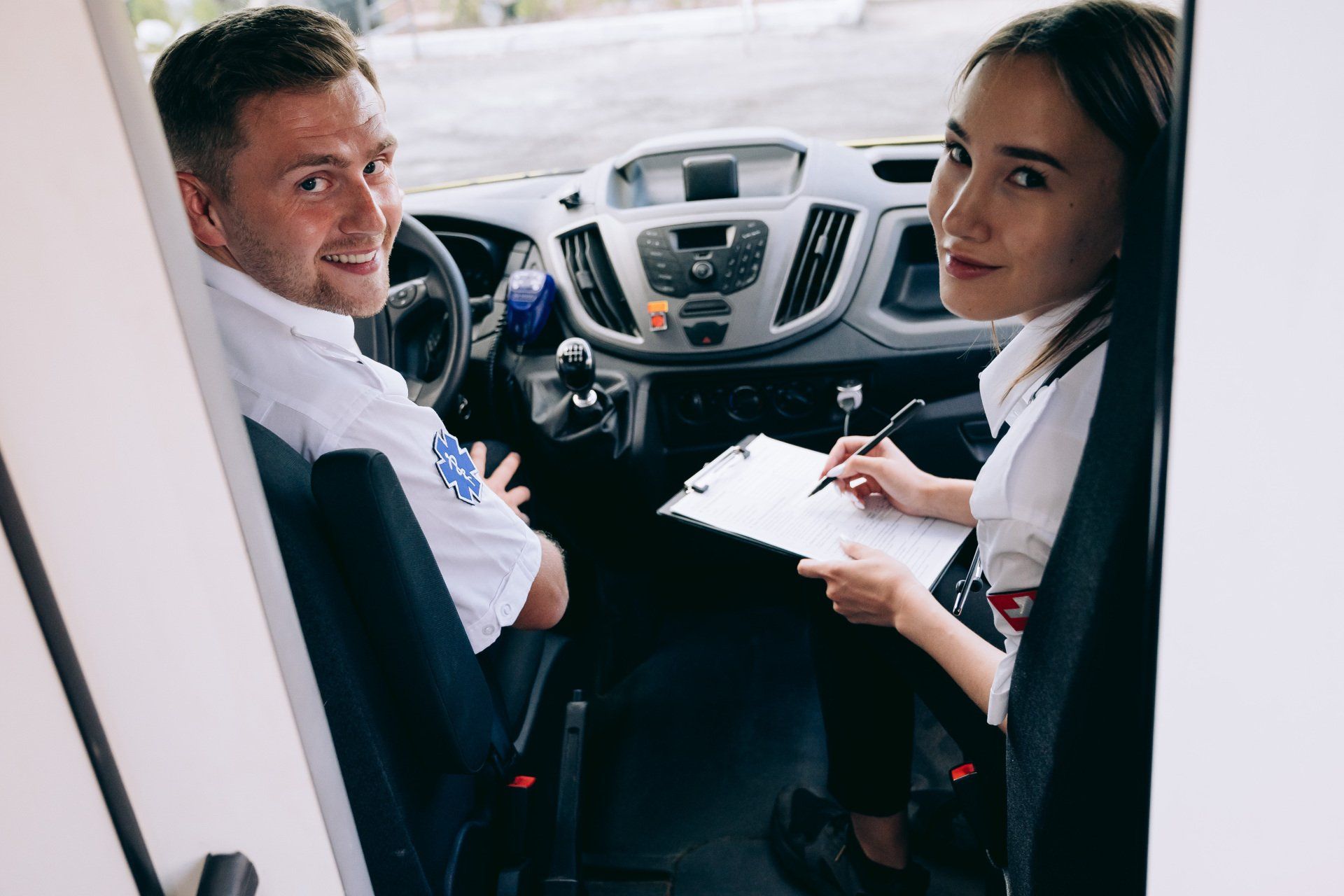


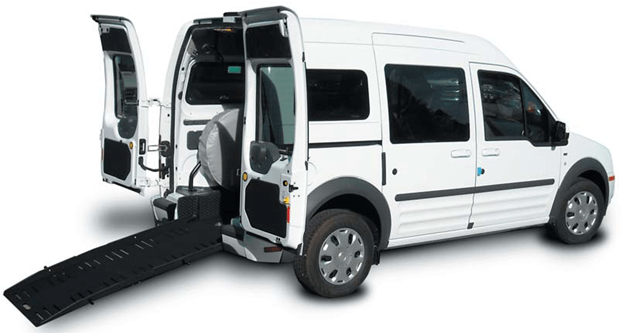
Unprecedented customer services are our goal. We are a non-emergent medical transportation (NEMT) service that serves the El Paso County Community by providing on-time, caring, and affordable transportation to and from healthcare facilities. 
  • NEMT Services

    Slide title

    Write your caption here
    Button
  • NEMT Service

    Slide title

    Write your caption here
    Button
  • Vehicles

    Slide title

    Write your caption here
    Button
  • NEMT

    Slide title

    Write your caption here
    Button
  • Elderly

    Slide title

    Write your caption here
    Button
  • Van

    Slide title

    Write your caption here
    Button
  • Van2

    Slide title

    Write your caption here
    Button
  • Van3

    Slide title

    Write your caption here
    Button

Senior Medicaid Rides to Medical Appointments: Your Complete Guide

Key Highlights

Here are the main takeaways from this guide:

Introduction

Getting to and from medical appointments can become a significant challenge for older adults who no longer drive. The stress of coordinating rides can sometimes feel overwhelming, but securing reliable transportation is crucial for maintaining your health and independence. This guide is here to help. We will walk you through the various options available for senior rides to medical appointments, from free community services to private providers, so you can find the solution that best fits your needs and gives you peace of mind.

Understanding Senior Rides to Medical Appointments

Senior rides for medical appointments are specialized medical transportation services designed to help older adults get to their doctor’s visits, clinics, and other healthcare-related trips safely and on time. These are not for emergencies but are a vital link to consistent medical care.

Having access to these transportation options provides more than just a ride; it offers security and independence. Knowing you have a dependable way to get to your appointments allows you to manage your health effectively and provides peace of mind for both you and your family.

Why Reliable Transportation Matters for Seniors’ Health

Consistent access to reliable transportation is directly linked to better health outcomes. When you can easily get to your appointments, you are more likely to manage chronic health conditions, attend follow-up visits, and receive preventive care. Missed appointments can lead to worsening health issues and more complex treatments down the line.

Beyond physical health, having transportation options significantly boosts quality of life. Many seniors with mobility issues worry about becoming a burden and may hesitate to ask for rides to social events, which can lead to social isolation. Access to transportation allows you to stay connected with friends, family, and your community, which is essential for mental and emotional well-being.

Ultimately, dependable senior transportation empowers you to age in place with confidence. It supports your independence by ensuring you can run errands, see your doctor, and participate in social activities without relying solely on family caregivers. This freedom is fundamental to maintaining a high quality of life.

Main Types of Senior Transportation Services

When exploring senior transportation services, you will find a wide array of choices tailored to different needs and budgets. The main types of transportation generally fall into three categories: public transit, private services, and programs specifically designed for medical visits. Each comes with its own set of benefits and limitations.

Understanding the difference between these transportation providers is the first step in finding the right fit for you. Some options offer greater flexibility and personal assistance, while others are more budget-friendly. The following sections will explain public and private senior transportation services in more detail.

Private Services—Taxis, Ride-Hailing, and Specialized Providers

Accessing quality healthcare is critical for older adults, and private transportation options play an essential role in this process. Taxis and ride-hailing services like Uber or Lyft are popular choices, offering convenience and efficiency for medical appointments. These services provide seniors with reliable transportation, helping to minimize transportation challenges often faced by those with limited mobility. Specialized providers, including medical transportation services tailored for seniors, ensure individuals receive the necessary assistance, such as mobility aids or accommodations tailored to the specific needs of passengers.

Leveraging these private services allows seniors to maintain their independence while addressing health needs. Many companies also offer senior discounts or features designed to enhance comfort and safety during rides, thereby improving quality of life and alleviating social isolation. Investing in dependable transportation can provide peace of mind to both seniors and their family caregivers.

Non-Emergency Medical Transportation (NEMT) Explained

For many seniors, one of the biggest transportation challenges is getting to medical appointments. Non-Emergency Medical Transportation (NEMT) is a specific benefit designed to solve this problem. It provides rides to and from doctors' offices, clinics, and hospitals for non-emergency situations.

These medical transportation services are a crucial lifeline, especially for those with chronic conditions or mobility issues. NEMT is most commonly associated with Medicaid, ensuring that eligible individuals have access to the medical care they need without transportation being a barrier.

What Qualifies as Non-Emergency Medical Transportation?

Non-Emergency Medical Transportation is a benefit primarily for individuals enrolled in Medicaid. To qualify, the ride must be for a medical care appointment that is covered by your plan. This can include trips to the doctor, dentist, physical therapist, or other healthcare specialists. It is not for social visits or errands.

The eligibility requirements are generally tied to your Medicaid status. If you have Medicaid, you are likely eligible for NEMT services. Some Medicare Advantage plans are also starting to offer transportation benefits, but this is not standard. It's essential to check with your specific insurance plan to see what is covered.

Unlike the public transit system, NEMT is designed exclusively for healthcare access. It ensures that even if you don't have a car or can't use public transportation due to a physical or medical condition, you still have a way to get to your essential appointments.

How Non-Emergency Medical Transportation Services Work for Seniors

Using NEMT services is straightforward, but it requires some advance planning. These medical transportation rides are typically booked through a broker that coordinates with different transportation providers in your area. You cannot just call a taxi and expect Medicaid to pay for it.

When you schedule your ride, you will need to provide details about your medical appointment, your location, and any special needs. For example, be sure to mention if you use a wheelchair, walker, or oxygen tank so the right vehicle can be sent for you. Your local Area Agency on Aging can also help guide you.

To book your NEMT service for medical appointments, follow these general steps:

Free and Low-Cost Ride Programs for Seniors

Cost should not be a barrier to getting where you need to go. Fortunately, many communities offer free transportation or low-cost ride programs specifically for seniors. These services are often run by nonprofit organizations, local churches, or government agencies dedicated to helping older adults stay mobile and connected.

These programs often rely on volunteer drivers or operate shuttles on set schedules. While they might have certain restrictions, such as service areas or trip purposes, they are an excellent resource. Many public transit systems also offer senior discounts, making them a very affordable option.

Volunteer Driver Organizations and Community Services

Numerous community services and volunteer driver organizations play a vital role in providing senior transportation solutions. These initiatives often connect older adults with trained volunteer drivers who understand the specific needs of individuals experiencing mobility challenges. By facilitating access to necessary medical appointments, they significantly enhance seniors' quality of life, reduce feelings of social isolation, and ensure timely healthcare services.

Local organizations frequently collaborate with nonprofits to create reliable transportation options that account for varying health conditions and disabilities. Families can benefit from these services, as the peace of mind that comes with knowing loved ones have access to dependable transportation alleviates caregiving burdens. This community-driven approach not only fosters social activities but also supports a more connected and healthier aging population.

Eligibility and How to Apply for Subsidized Medical Rides

Subsidized medical rides can significantly enhance access to healthcare for older adults. To qualify, seniors typically need to meet specific income thresholds and demonstrate medical necessity linked to their health conditions. Various nonprofit organizations and local transportation options offer assistance, often funded through Medicaid programs or Medicare Advantage plans, to those facing mobility challenges.

Applying for these rides usually involves a straightforward process. Seniors or their family caregivers can contact local area agencies or eldercare locators to gather information about available programs and eligibility requirements. Documenting needed services with healthcare providers ensures smoother applications. By exploring these avenues, seniors can secure reliable transportation, reducing social isolation and promoting better health outcomes.

Booking a Ride—Step-by-Step Guidance

Once you have identified a few transportation providers, the next step is booking a ride. The process can vary depending on the service you choose. For some, it might be as simple as a phone call, while others may use a smartphone app. It’s always a good idea to schedule your medical transportation in advance, especially for necessary appointments.

Many older adults may not be comfortable using apps or smartphones, but that doesn’t mean they are left without options. Most transportation services offer alternative booking methods to ensure everyone can get a ride when they need one.

Scheduling Rides for Seniors Without Smartphones

Technology can be a barrier for seniors who do not use smartphones, but reliable transportation remains crucial for their healthcare access. Scheduling rides can often be done with a simple phone call through transportation services that cater to older adults. Many transportation providers offer dedicated hotlines for setting up rides, ensuring that individuals with mobility challenges can reach medical appointments without added stress.

Additionally, establishing local transportation options through community centers or nonprofit organizations can provide seniors facing these challenges with support and resources. Family caregivers play an essential role in coordinating rides, empowering seniors to maintain their health and access essential services. This inclusivity fosters social activities and enhances the overall quality of life for older adults who may otherwise experience social isolation.

Tips for Caregivers Arranging Transportation

Securing reliable transportation for seniors is crucial for maintaining their health and independence. Caregivers should begin by assessing the older adult's specific mobility needs, taking into account any physical limitations or health conditions that may affect their transport options. This understanding can help select suitable transportation services, from local options like paratransit to private transportation provided by specialized companies.

Establishing a regular schedule for medical appointments can also alleviate transportation challenges. Engaging with local organizations and nonprofit services that offer volunteer transportation can enhance social interactions and reduce feelings of isolation. Coordinating with family members can ease the burden, ensuring there’s support for outings, whether for doctor’s appointments or grocery shopping.

Medicare, Medicaid, and Insurance Coverage for Senior Transportation

Understanding how insurance covers senior transportation can be confusing, as the rules for Medicare and Medicaid differ significantly. Many people assume these programs will automatically pay for rides to the doctor, but that is not always the case. It is crucial to know what your specific plan covers to avoid unexpected costs.

Generally, Medicaid offers comprehensive medical transportation benefits, while Medicare's coverage is much more limited. Some private insurance plans, particularly Medicare Advantage plans, are beginning to add transportation services as a supplemental benefit.

What Medicare Covers for Medical Appointment Trips

When it comes to transportation for medical appointments, it is essential to understand what Medicare covers and what it does not. Original Medicare (Parts A and B) will only cover emergency ambulance transportation to a hospital or skilled nursing facility when medically necessary. It does not cover non-emergency rides to a doctor's office.

However, some Medicare Advantage (Part C) plans may offer transportation coverage as an extra benefit. These plans are offered by private companies and vary widely. If you have a Medicare Advantage plan, call your provider directly to ask whether they cover non-emergency medical transportation and what the limitations are.

Safety and Comfort During Senior Medical Rides

When choosing a medical transportation service, safety and comfort should be your top priorities. A reliable service does more than get you from one place to another; it ensures the journey is secure and comfortable, especially if you have mobility aids or other health concerns. Look for providers that perform background checks on their drivers and maintain clean, well-serviced vehicles. Driver training in passenger assistance and sensitivity is also a key indicator of quality service.

Furthermore, accessibility is a critical component of safety. Under the Americans with Disabilities Act (ADA), public transportation must be accessible, but it's always wise to verify that features like lifts or ramps are operational. For private services, you should confirm in advance that they can accommodate your needs, whether it's space for a walker or a vehicle equipped with a wheelchair lift.

Ensuring Accessibility and Comfort for Mobility Needs

For seniors with mobility challenges, finding a ride that offers the right level of accessibility and comfort is essential. This means looking for services that accommodate mobility aids such as walkers, canes, or wheelchairs. When you call to book, be specific about what you need to ensure the right vehicle is sent.

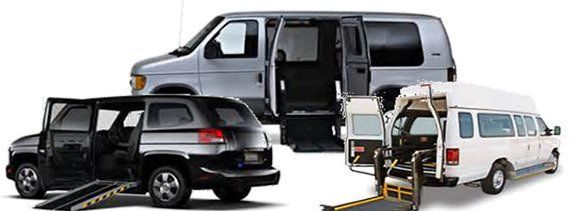
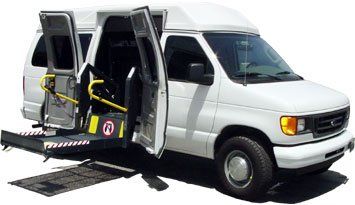
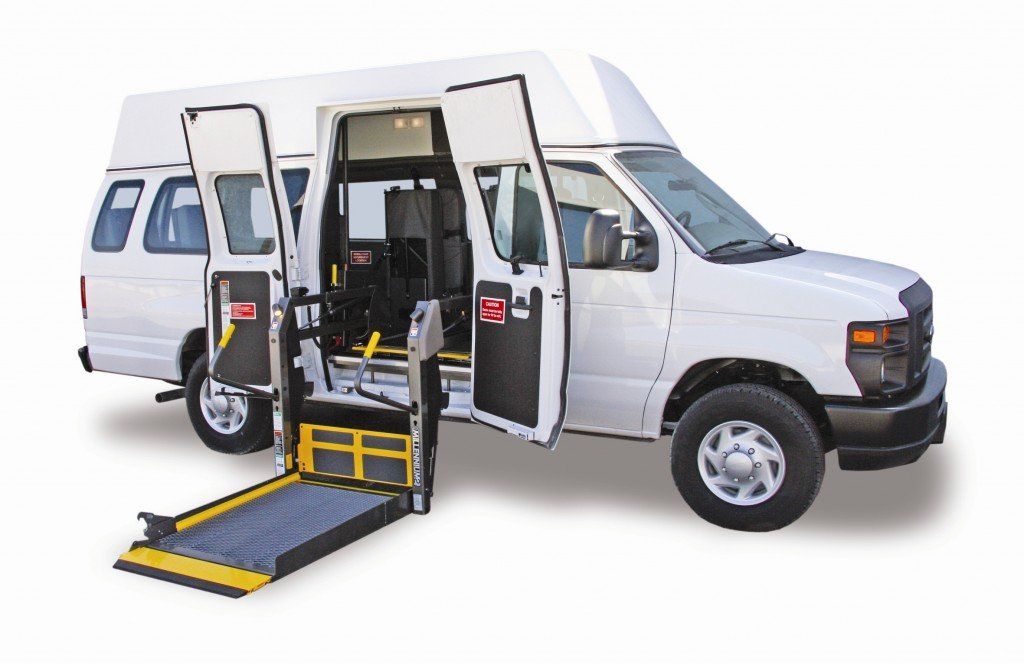
Many specialized transportation providers offer vehicles equipped with ramps or hydraulic lifts, securement straps for wheelchairs, and extra space. In addition to the vehicle itself, consider the level of driver assistance. A door-to-door or door-through-door service can make a massive difference if you need help navigating stairs or carrying items.

Frequently Asked Questions (FAQ)

Many families wonder about the transportation options available for older adults. Common questions include details on eligibility requirements for senior transportation services, the types of services provided by local transportation providers, and what to expect from volunteer driver programs. Questions often arise regarding the differences between public transportation systems and private companies, especially concerning safety and reliability. Understanding these aspects can significantly enhance seniors' quality of life, ensuring they receive the medical care they need while alleviating transportation challenges.

What is Uber Health, and how can it assist seniors with transportation?

Uber Health is a platform that allows healthcare providers, caregivers, and organizations to schedule rides for others. It is a valuable tool for older adults who don't use the Uber app themselves. A clinic or family member can use it to book medical transportation to and from medical appointments on your behalf.

Are there volunteer driver programs for seniors needing rides to the doctor?

Yes, many communities have volunteer driver programs that offer free or low-cost rides to seniors. These senior transportation services are often run by nonprofit organizations and community services. They are an excellent option for getting to a doctor's appointment, though you typically need to schedule them in advance.

Conclusion

In summary, ensuring seniors have reliable transportation to their medical appointments is crucial to maintaining their health and well-being. With various options available, from private services to non-emergency medical transportation, it's essential to find a solution that best meets individual needs. Additionally, exploring free and low-cost ride programs can ease the financial burden while offering peace of mind. For caregivers or family members, understanding these resources and planning ahead can significantly enhance seniors' experience. If you need personalized assistance in arranging rides for your loved ones, feel free to reach out for a consultation. Your support can make a world of difference!

https://www.medicare.gov

https://www.medicare.gov/basics/costs/medicare-costs

https://www.medicare.gov/pace/

https://www.google.com/maps/d/u/0/viewer

https://www.youtube.com/channel/UC7snF15Idi7px6XujWe_h9A

https://www.youtube.com/@AllSeniors

https://www.medicare.gov/coverage/ambulance-services

https://www.medicare.gov/health-drug-plans/health-plans/your-coverage-options/other-medicare-health-plans/PACE

SCHEDULE A RIDE (719) 401-7870